
Waking up after a dream about deer usually leaves you with one clear image and no explanation, and it makes sense that you want to know why that animal showed up.
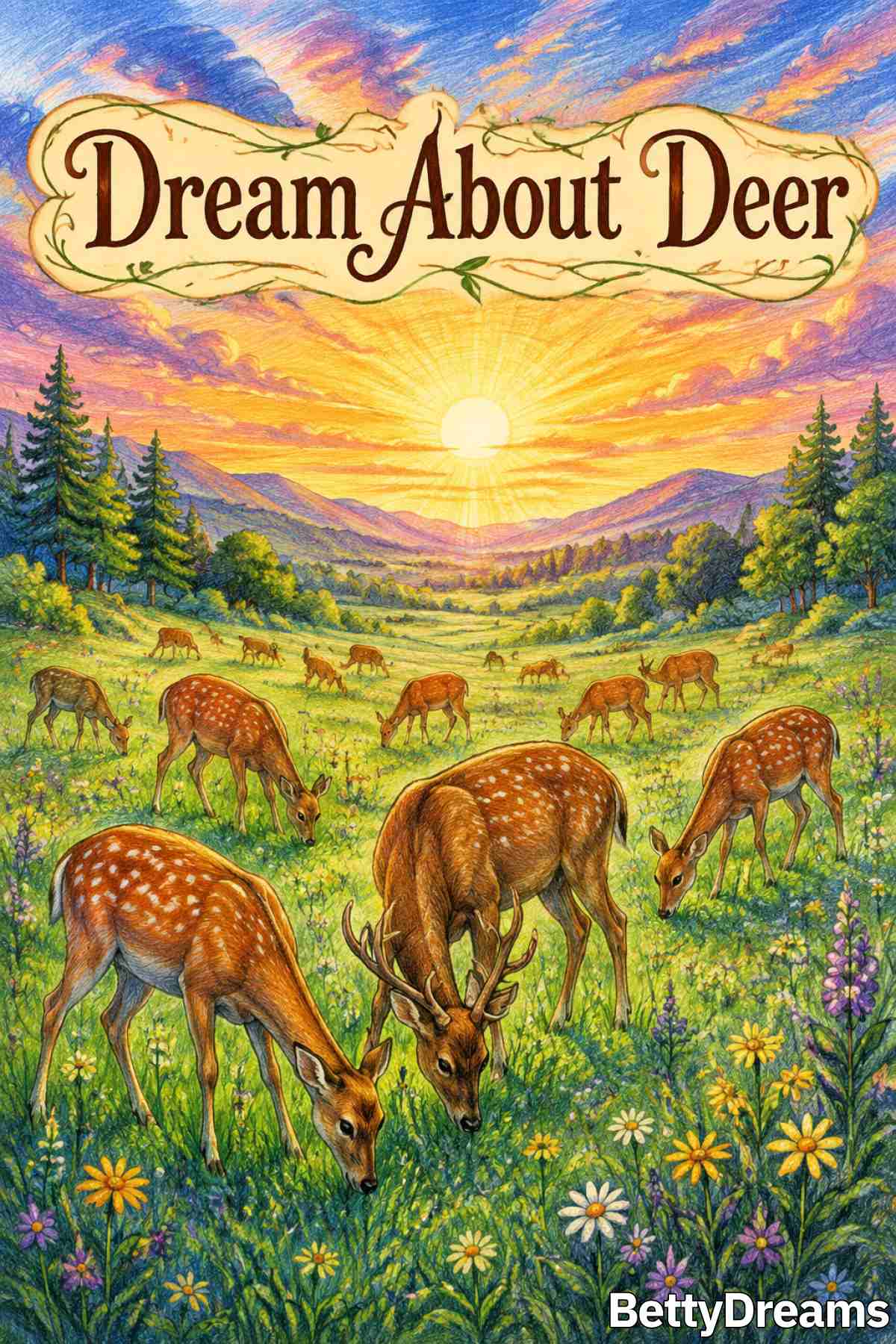
Deer carry more meaning in a dream than most people expect, and the interpretations behind them are genuinely useful once you see what part of the animal each one comes from.
In this post, I will explain what dreaming about deer can mean, meaning by meaning, so you can find the one that actually fits.
What You Put Down Can Come Back Different
A dream about deer can point to something you have been carrying that was never meant to stay on you forever.
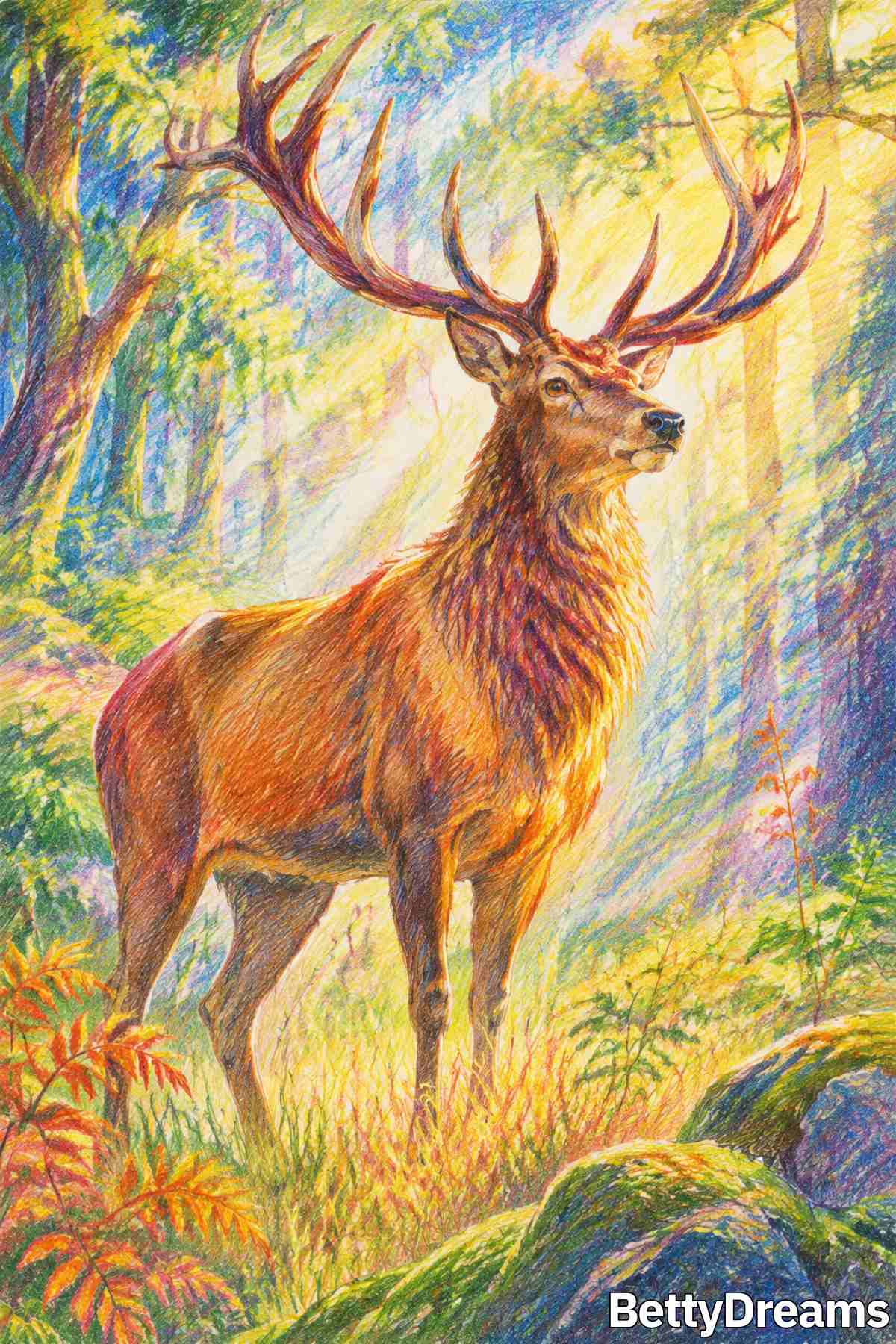
Male deer grow antlers, carry them through a season, drop them, and grow a new set. The weight comes off on schedule, and nothing is lost by letting it go.
In daily terms, this fits a role you took on once and never revisited. The job nobody else wanted, the friend group you organize, the task you inherited and now do automatically.
It is worth asking yourself which of those you kept because you chose it, and which you kept because putting it down never occurred to you.
You Are Seeing More than You Are Focused On
Sometimes a deer in a dream is about everything you register at the edges without stopping to name it.
A deer's eyes sit on the sides of its head, so it takes in an unusually wide view without turning around. It catches movement it is not looking at directly.
People run a version of this all the time. You often pick up a shift in someone's tone or a change in a room before you could explain what changed.
If an impression like that showed up recently and you talked yourself out of it, try writing it down instead of dismissing it. First impressions are easier to test than to recover once they fade.
Standing Still Is Not the Same as Being Stuck
Not every meaning of a deer dream involves doing something. Some of them sit in the moment right before you act.
When a deer senses something new, its first move is usually to hold completely still and collect information. Motion comes after, and it comes with a decision behind it.
That maps neatly onto holding a reply for a day, or sitting on an answer until you actually know what you think. From outside, both look like nothing is happening.
The useful step is naming what your pause is for. Waiting for one more piece of information has an end point, and that is what separates it from putting something off.
You Heard More than You Were Told
Dreaming about deer can bring attention to what reached you through tone rather than through the actual words.
Deer move each ear separately and track sounds coming from different directions at once. They know something is nearby long before they see it.
Think of a conversation where the words were fine but the delivery stayed with you afterward. That gap is usually a signal to ask one more question, not to draw a conclusion on your own.
Your Best Hours May Not Match Everyone Else's
Such dreams can be about when you do things, not only what you do.
Deer are most active around dawn and dusk. They work the hours between the busiest part of the day and the stillest one, and that timing suits them.
People have their own version of those hours. Some think best before anyone else is awake, others hit their stride late in the afternoon when the messages slow down.
Rather than forcing your hardest task into the hour everyone else uses, notice the two hours of your day that reliably work and give them to something that matters.
Not Everything in Front of You Deserves a Bite
A deer showing up in a dream can be about being choosier with what you take in.
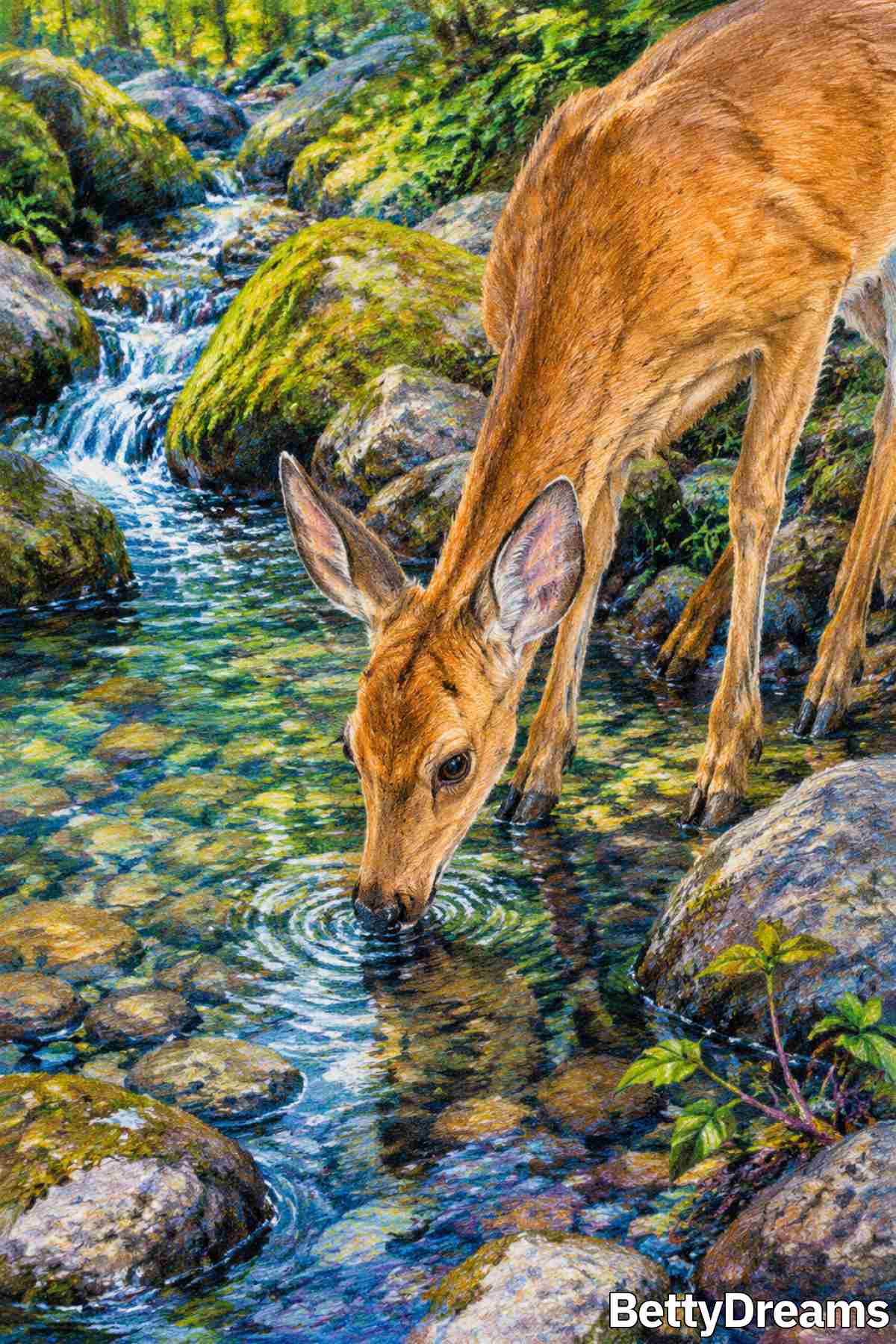
Deer are browsers. They move through an area and pick particular leaves, buds and shoots rather than clearing whatever happens to be there.
The same choice sits in front of you with feeds, group chats, opinions and invitations. Ask which three of them you would keep if you had to cut half by tonight.
The Route You Take Without Deciding To
A dream like this may be about the routines that formed on their own while you were busy with other things.
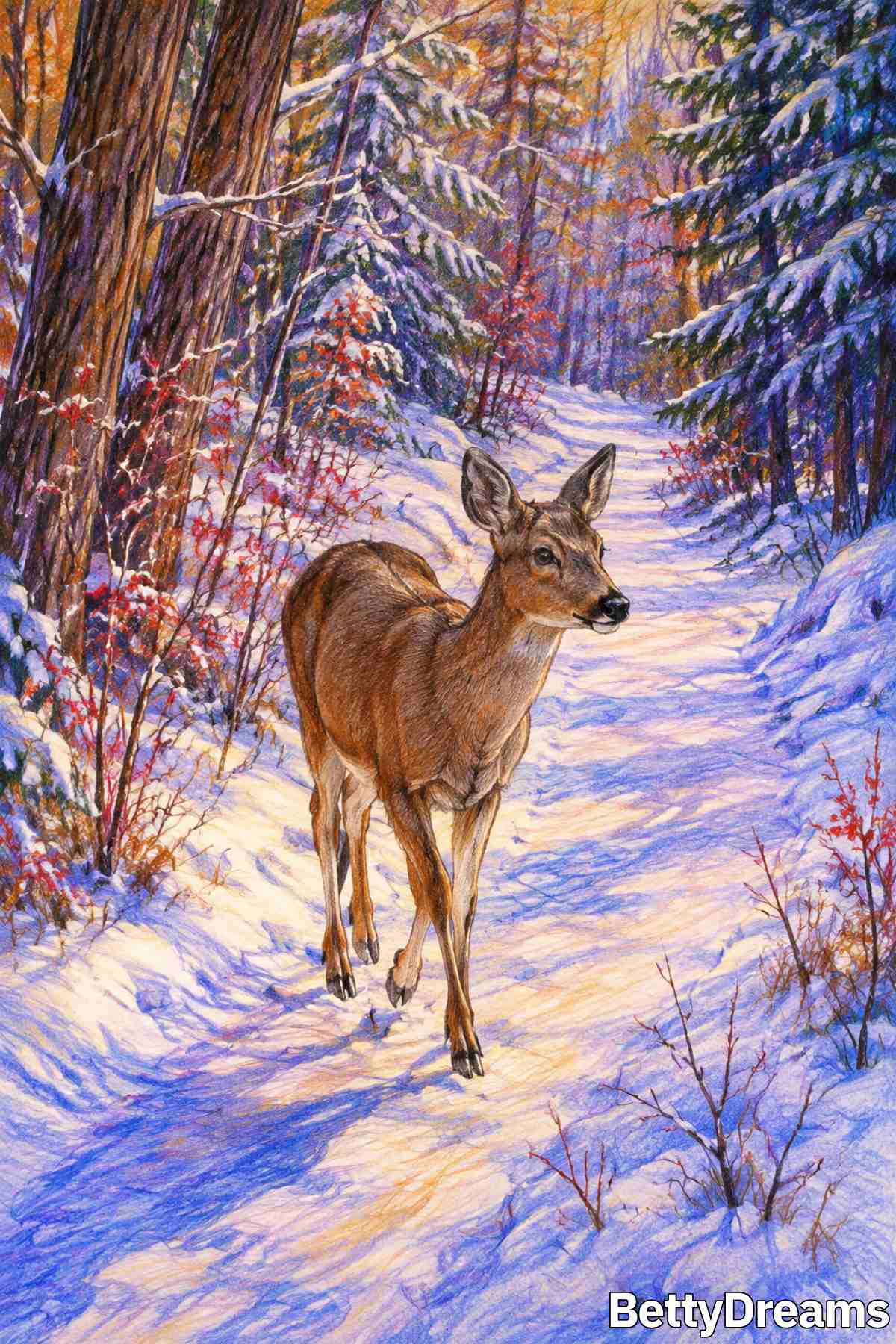
Deer use the same trails again and again until a visible path appears in the ground. Nobody designed it. Repetition made it.
You have your own versions. The first twenty minutes after you wake up, the person you tell news to first, the exact way you get through a Sunday.
Pick one of them and change a single step this week. You will find out quickly whether you actually like the route or simply found it already worn in.
That Fence Is Lower than It Looks
Some deer dreams are about a limit that feels fixed but has never really been tested.
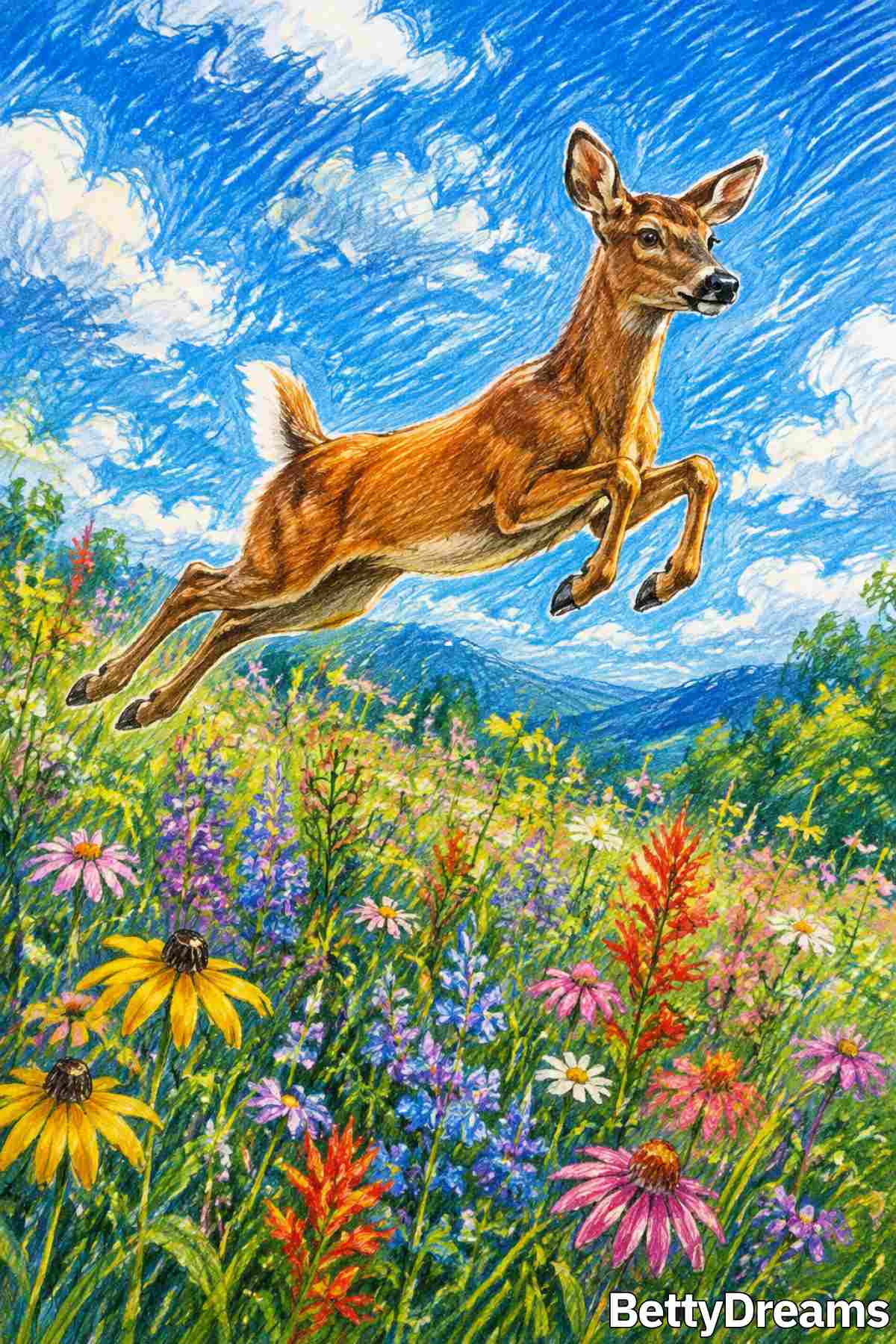
Deer can clear fences far taller than most people would guess by looking at them. Nothing about the animal's build announces that ability in advance.
Think of one thing you decided was out of reach without ever trying a small version of it. Naming that smallest version is usually more productive than debating whether you could manage the whole thing.
Some Things Grow Better Before Anyone Sees Them
Dreaming about deer can also be about keeping something to yourself while it is still taking shape.
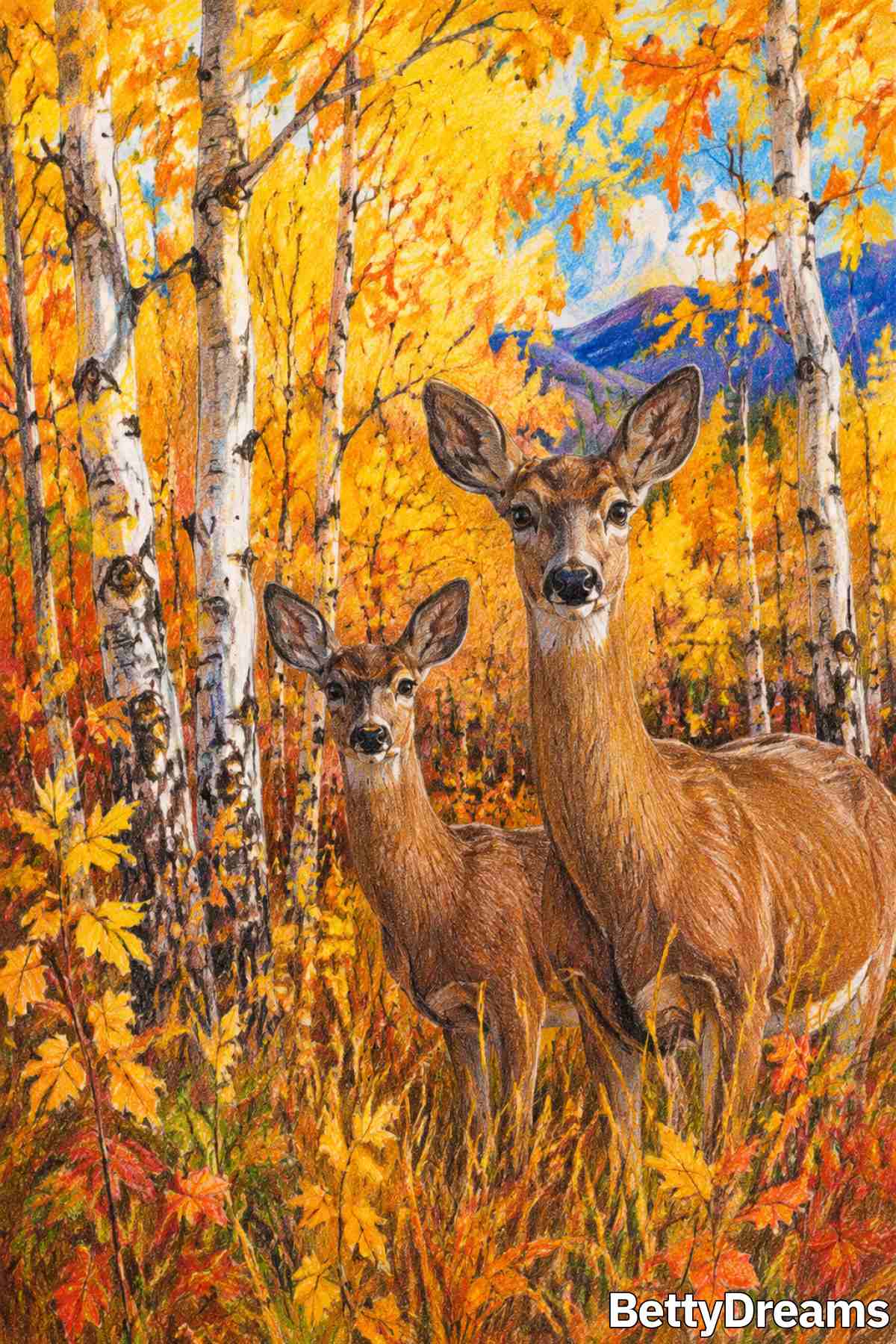
Fawns have pale spots that break up their outline against leaves and patchy sunlight, so they blend into the background during the stage when they are still growing.
New projects work the same way. The skill you are two weeks into, the idea you have not pitched, the plan that exists mostly in your notes app. Announce it early and you collect opinions before the thing can hold its own shape.
Try keeping it with one or two people who ask good questions instead of the whole group chat. That is not secrecy, it is choosing the right week to show it.
Look at Who Is Standing Nearby
Sometimes the deer is not the main subject of the dream at all. The company around it is.
Deer often move in small groups, and when one lifts its head, the rest respond. Attention travels through the group faster than any single animal could scan the area alone.
Notice which two people leave you sharper after an hour together, and which conversations leave you flat. Then give the first group more room on your calendar than they currently get.
Important Questions
Was the deer standing still, or was it moving?
If it stood still, the detail leans toward observation. Stillness in the picture often matches a stretch where you are taking things in before choosing, even if it feels like nothing is progressing.
If it was moving, the emphasis shifts to pace. Walking suggests something advancing at its own rate, while running points more toward reacting fast to something that changed.
Compare the two against your last few days and see which one you recognize. That match usually tells you more than the deer on its own does.