
Waking up after a dream about a donkey can leave you turning the image over in your head, and it makes sense that you now want to know what it was pointing at.
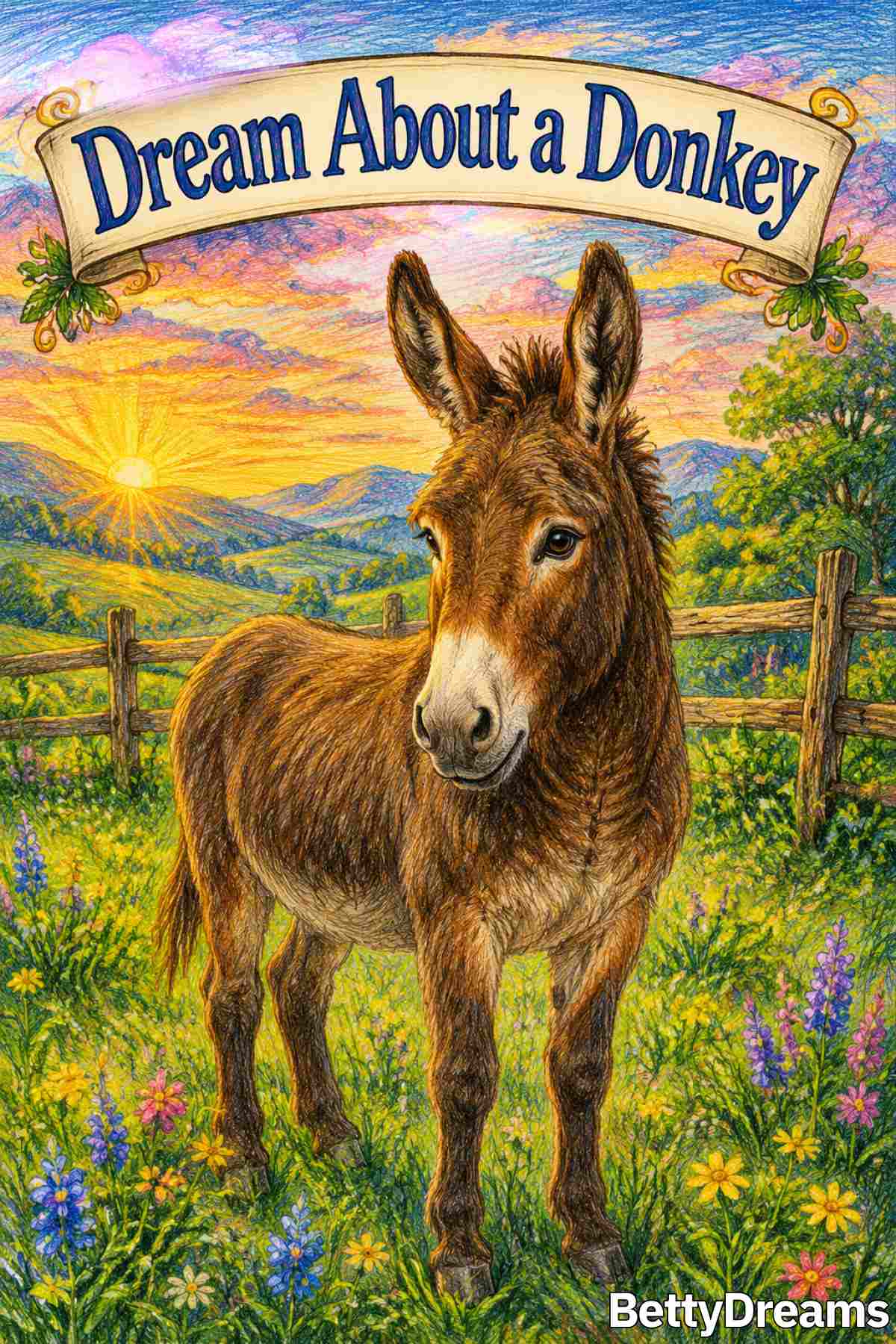
Here is the good part. A donkey carries more meaning than most people expect, and the interpretations behind it are practical rather than vague.
In this post, I will explain what dreaming about a donkey can mean, so you can see which reading fits your own situation.
The Weight Is Not the Problem, the Packing Is
A donkey in a dream often points to what you are carrying, but the sharper idea is about how that load is arranged, not how much of it there is.
Donkeys are built to carry. A badly balanced load slows one down far more than a heavy one does, while an even load can be walked with for hours.
Weeks work the same way. Ten tasks in a sensible order can feel lighter than five stacked onto the same afternoon.
It can help to look at your list and ask what is simply sitting in the wrong spot. Moving one thing to another day is usually faster than trying to remove it.
Stopping Is Not the Same as Refusing
Donkeys have a reputation for being stubborn, and that reputation is mostly a misreading of what they are actually doing.
When something ahead looks uncertain, a donkey stops and studies it instead of running. The pause is an inspection, not a no.
People get judged the same way. Not answering immediately often means someone is still checking the ground, not that they have nothing to say.
If a pause of yours was taken as a refusal, it may be worth naming what the pause was for. A plain line like "I want to look at this first" tends to protect the decision that comes after it.
You Are Heard Further Away than You Think
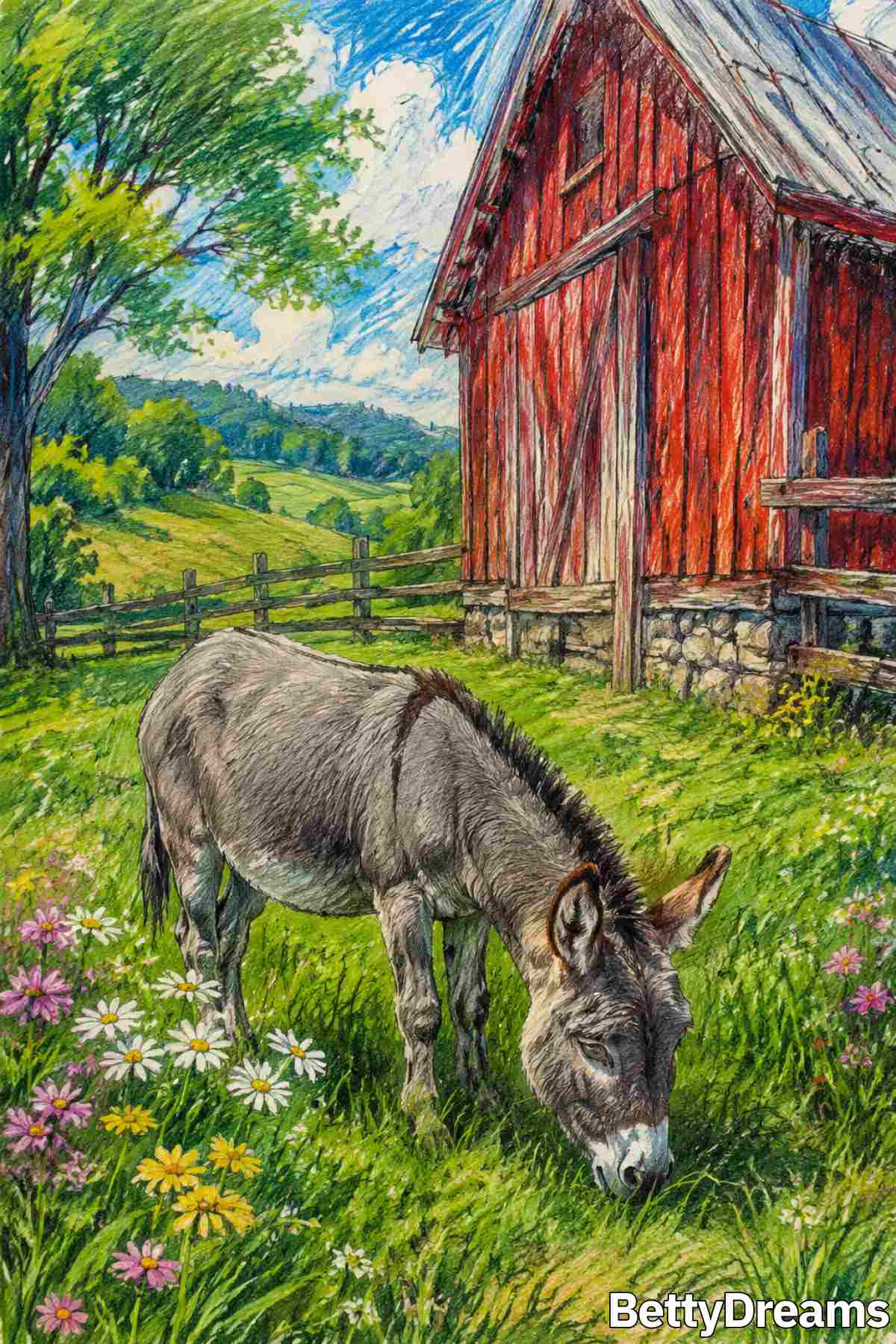
A donkey's bray is one of the loudest sounds on any farm, and it is built to travel across open distance.
The sound is meant to reach animals that are completely out of sight. The donkey does not need to be close to anyone to be heard by them.
Such dreams can turn attention to how far your own words move. Something you said once can reach people who were never part of the conversation.
So it is fair to ask which recent message of yours traveled further than you planned. Saying one thing clearly often does more than repeating it five times to the same person.
The Narrow Path Is Often the Solid One
Donkeys are used on mountain trails because they handle narrow, rocky ground better than most animals their size.
That says something about routes. The option that looks tighter and less impressive is sometimes the one with reliable footing under it.
If you have a plan that feels modest but sturdy, a dream like this leans toward it. A smaller step you can actually finish beats a wide one you keep pushing to next month.
Slow Feet Still Cross the Whole Field
Not every meaning here is about deciding something. Some are about how long you keep going once the decision is made.
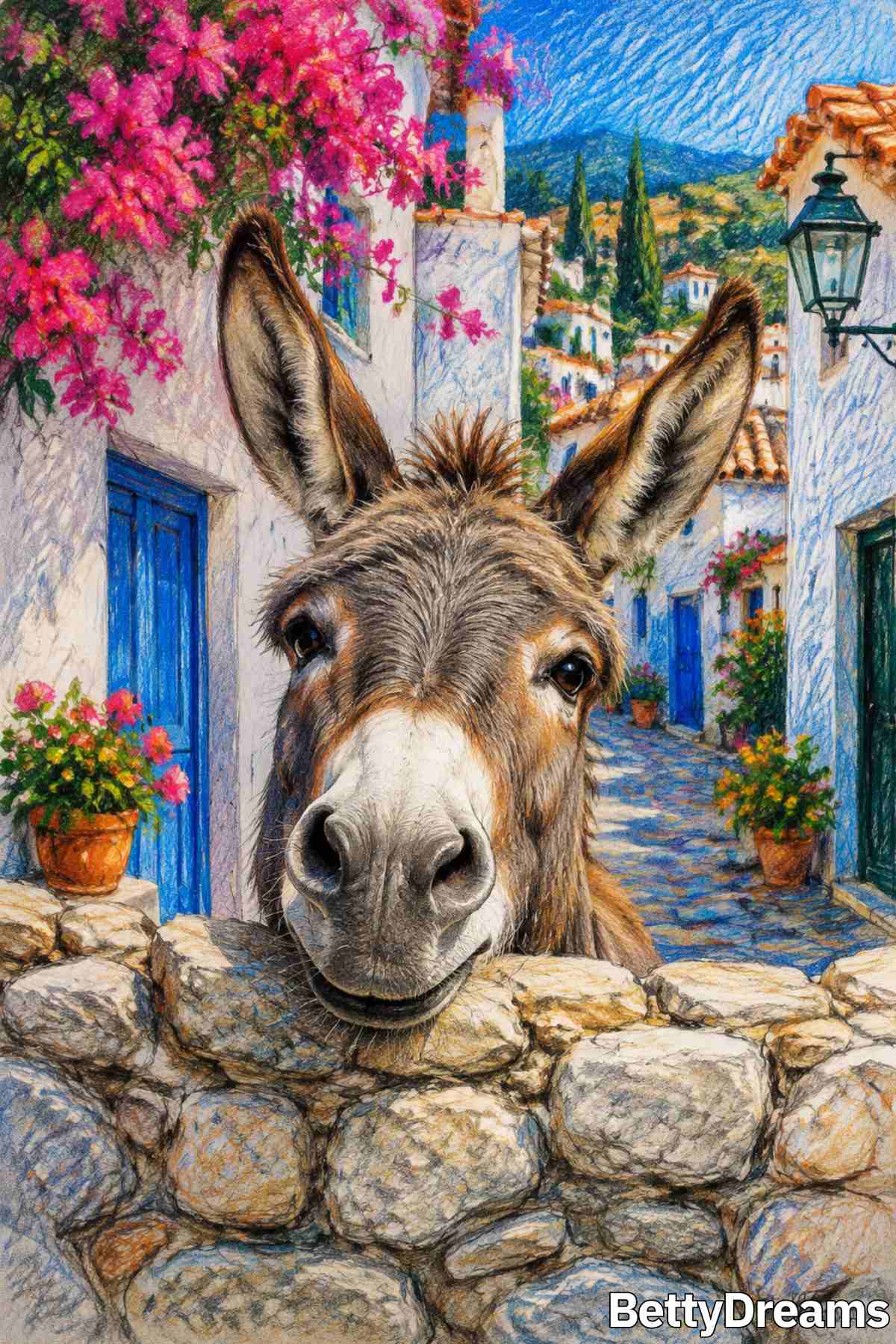
Donkeys work at a pace they can hold all day. They were never bred to sprint, and they do not need to sprint to get the field crossed.
Most real progress looks like that from the inside. A page a day finishes the book even though no single day feels like much.
Pick the pace you could still keep three weeks from now, rather than the one that looks good on the first afternoon. That choice usually decides whether the thing gets finished.
Standing Near Someone Can Be Enough
Donkeys are often kept with sheep and goats because their presence alone helps keep the group settled and alert.
They are not fast and they are not aggressive. They stay with the herd and notice things early, and that turns out to be the whole job.
It is a fair model for being useful to the people around you. Showing up and staying nearby often matters more than having the perfect thing to say.
You Can Start Before Conditions Are Ideal
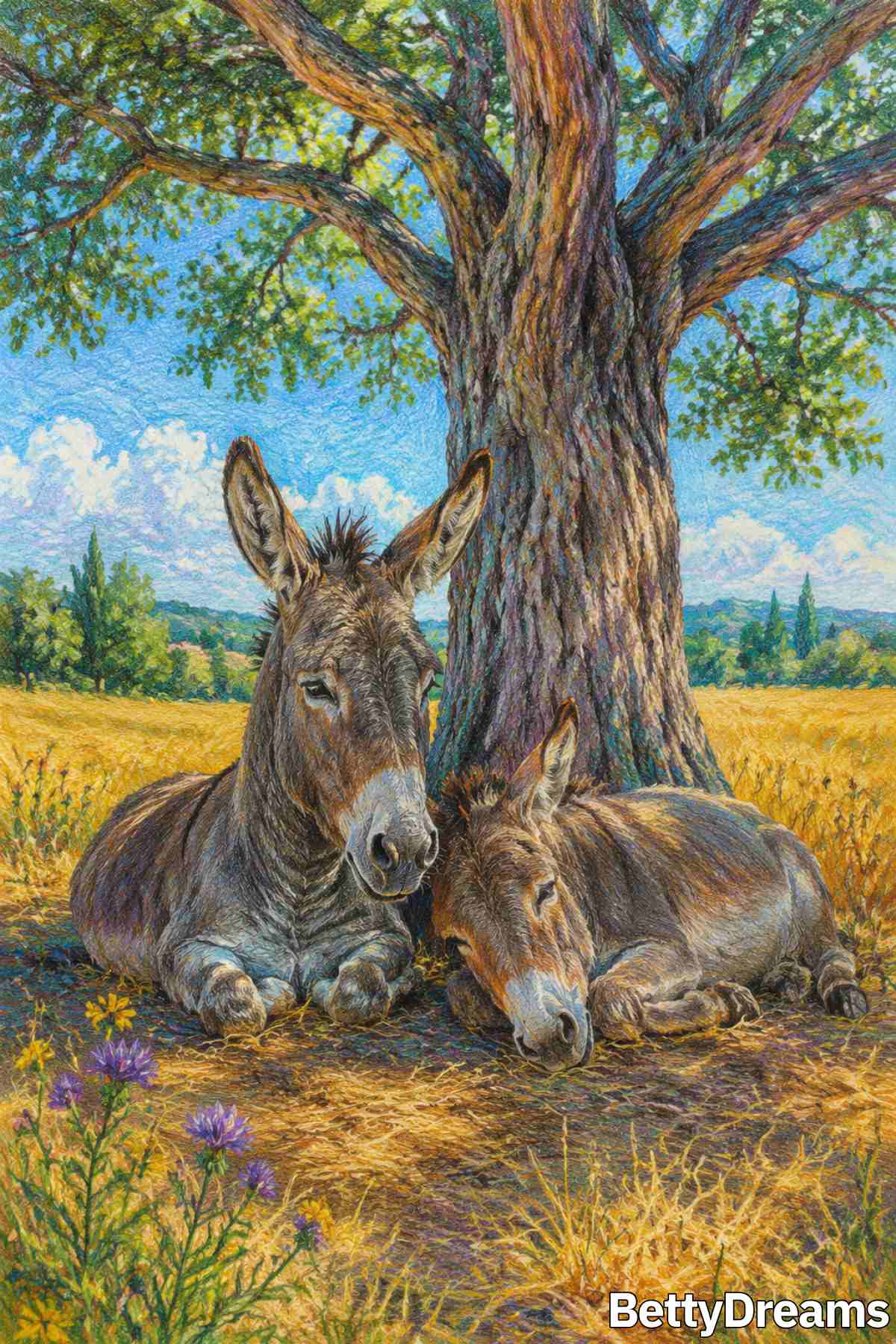
Sometimes a donkey appears in a dream while a plan is quietly waiting for better circumstances.
These animals developed in dry regions and get by on coarse food that other livestock leave alone. Their whole design is about working with what is actually available.
Plenty of good starts look like that. A rough first version made with the tools you already own teaches you more than another month of preparing.
Ask yourself which part of your plan could begin this week with nothing new added to it. The honest answer is usually larger than it first seems.
A Small Circle Can Do a Lot of Work
Donkeys form strong bonds with a chosen companion and prefer to stay close to that one animal.
It is a narrow kind of loyalty. A donkey does not try to connect with everything in the field, and it does not seem to lose anything by that.
Dreaming about one can bring the few people you genuinely check in with back into focus. Keeping that short list active is usually worth more than stretching it wider.
Being Overlooked Is Not the Same as Being Unneeded
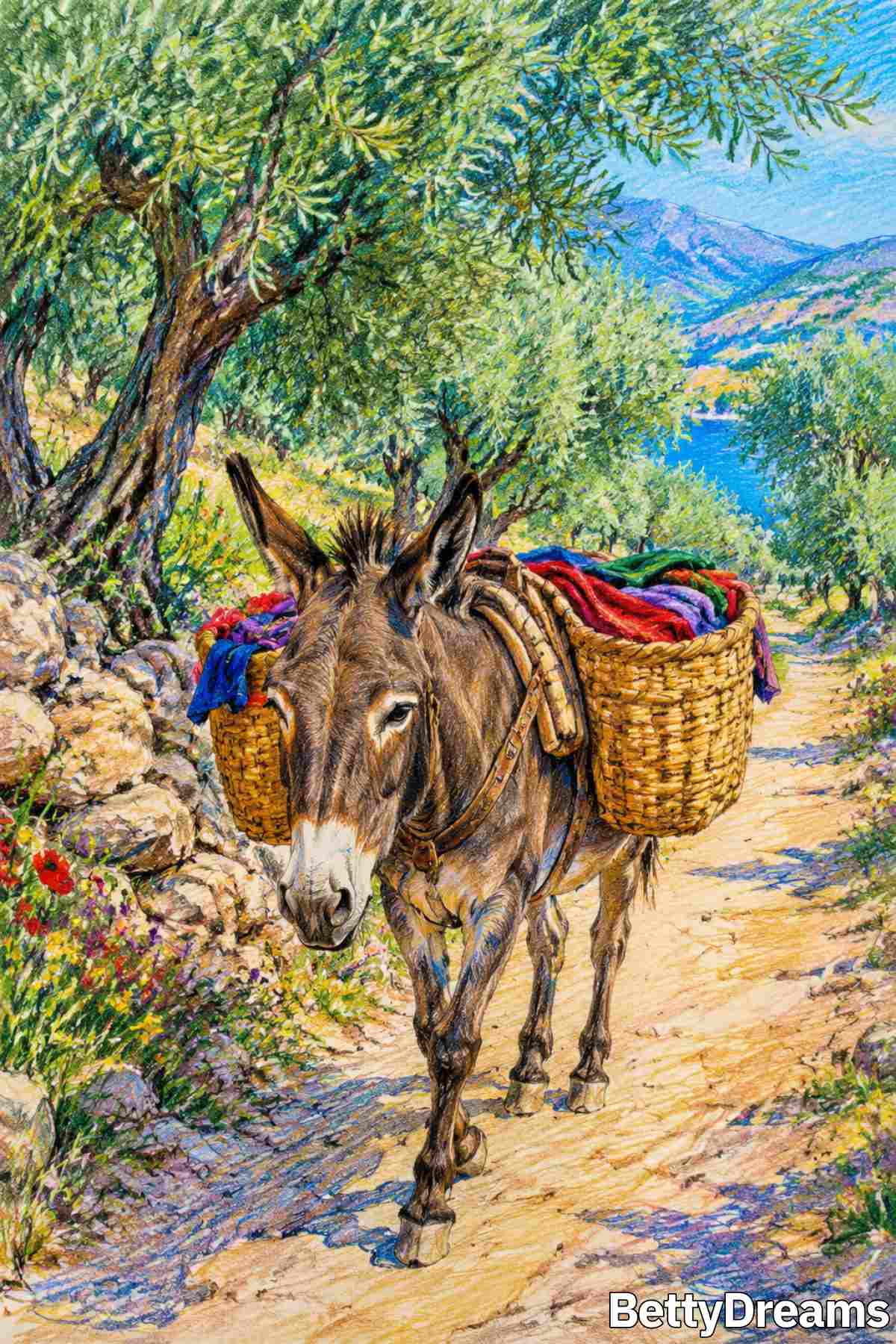
Donkeys do an enormous amount of ordinary work and receive almost none of the attention for it.
In many parts of the world they still move water, crops, and goods every single day, and nobody stops to photograph the donkey.
The same pattern shows up at work and at home. The person keeping the schedule straight is rarely the one being applauded for it.
If that rings true, the useful move is not complaining but making the work visible once. Stating plainly what you handled is not bragging, it is information other people need.
The Route You Know Best Deserves a Second Look
Donkeys learn a route thoroughly and tend to stay with the one they already know.
That is a real strength while the road still leads somewhere good, and a limit once the destination has quietly changed.
Pick one routine you have not questioned in about a year and check it. If it still delivers what you want, keep it as it is, and if not, adjusting only the first step often redirects the rest on its own.
Important Questions
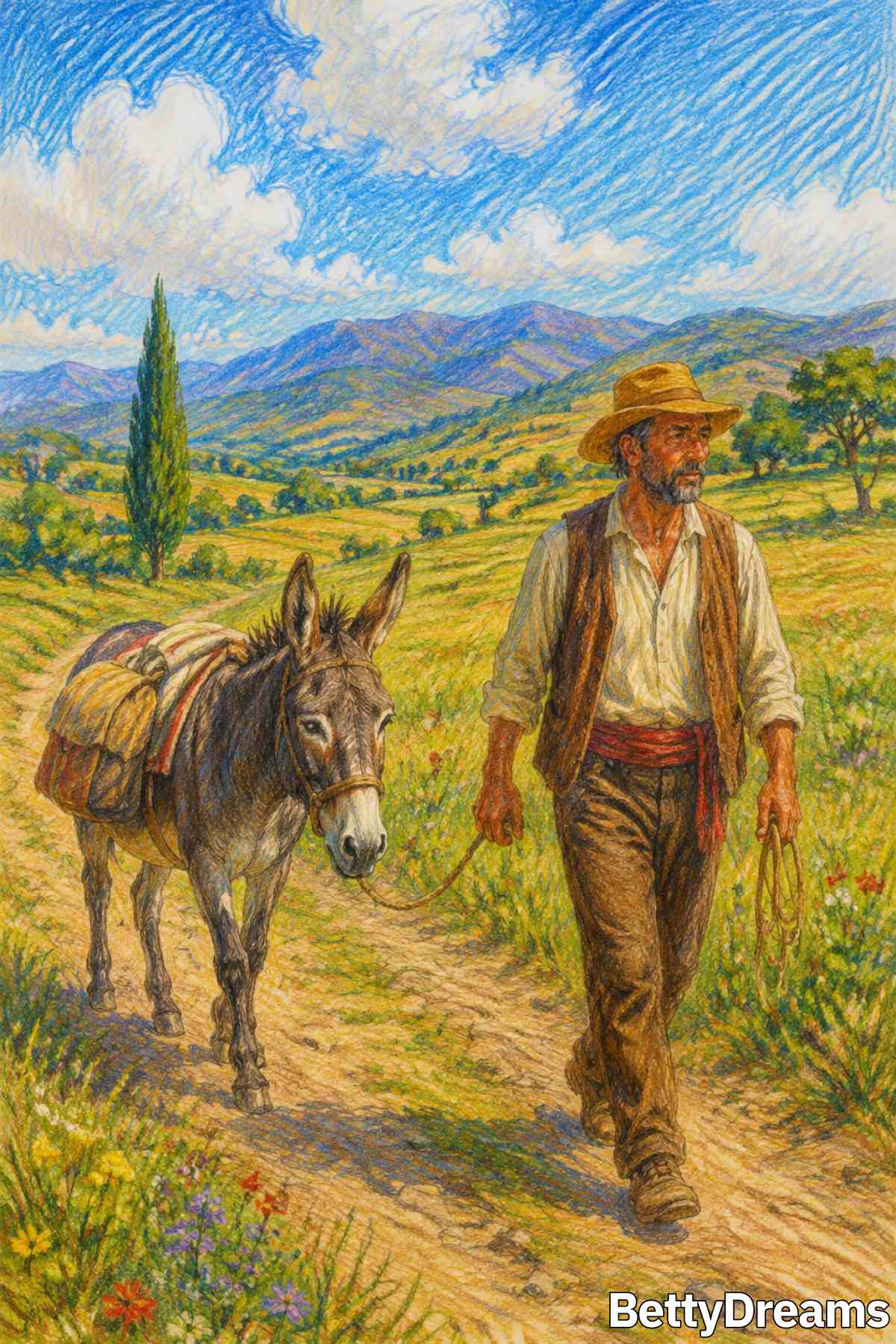
Was the donkey carrying something, or moving without a load?
A loaded donkey usually pulls the dream toward responsibility and how it is divided. A fair question here is which part of what you handle was chosen by you and which part simply landed there.
A donkey with a bare back reads differently. That version points more toward freedom of movement, and toward what you could set down without anything actually falling apart.
If you cannot recall either way, think about the direction it was facing instead. Moving toward you and moving away from you tend to carry different feelings, and your first instinct about that is normally the one worth trusting.